
Case Study: Precision Window & Stonework Restoration with 3D Scanning Technology


The Problem
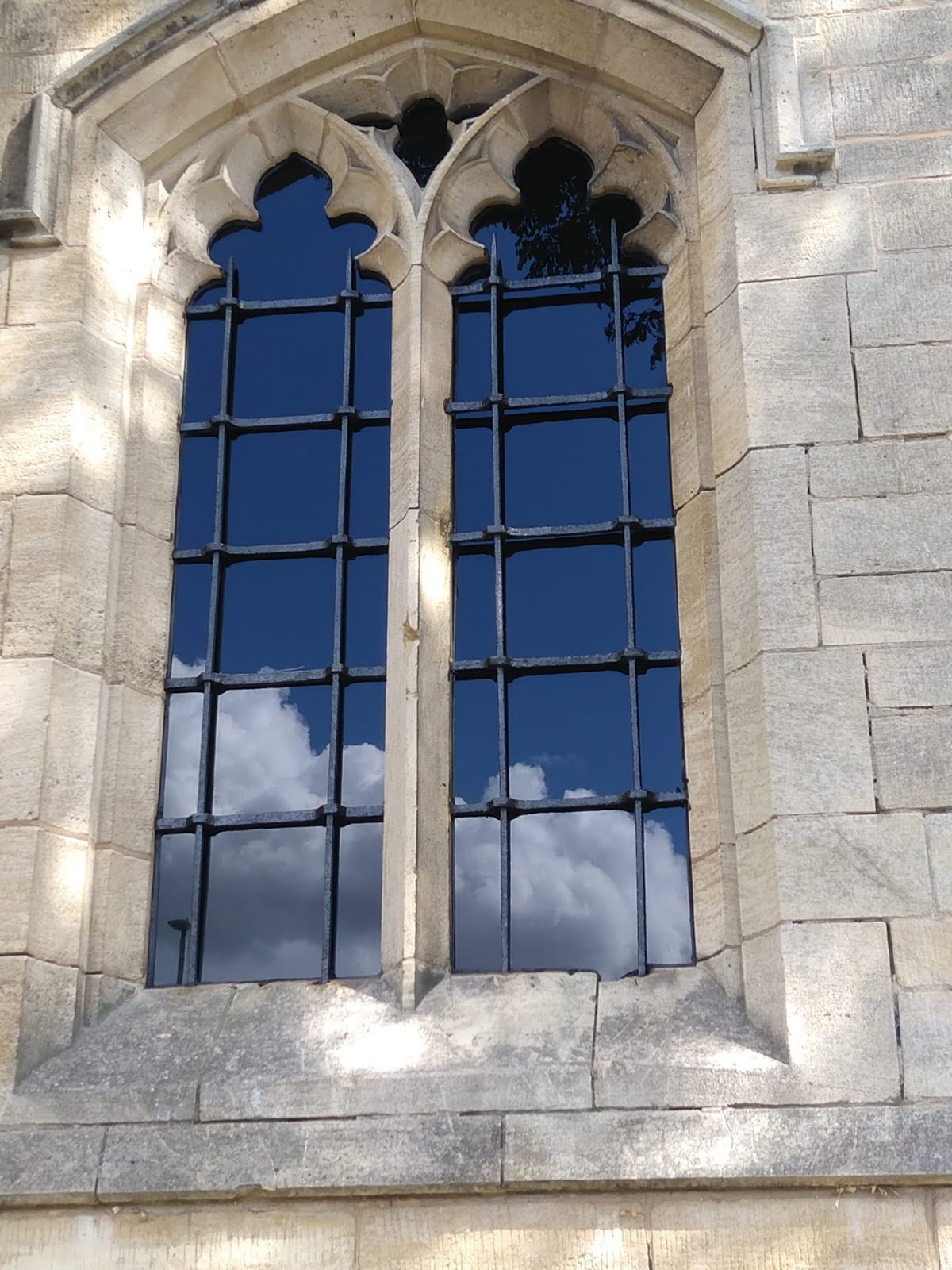
Following a fire in 2008, St Alban’s Church in Retford, a Grade II listed building, sustained significant damage to its stonework and windows. As part of the restoration, planning requirements specified that the external appearance of the windows had to be retained.
The damaged stone surrounds and window apertures varied significantly, making accurate replication of each opening necessary. The developer required an on-site 3D scanning provider capable of capturing the geometry of the existing stonework in order to support the production of replacement panels.
The Solution
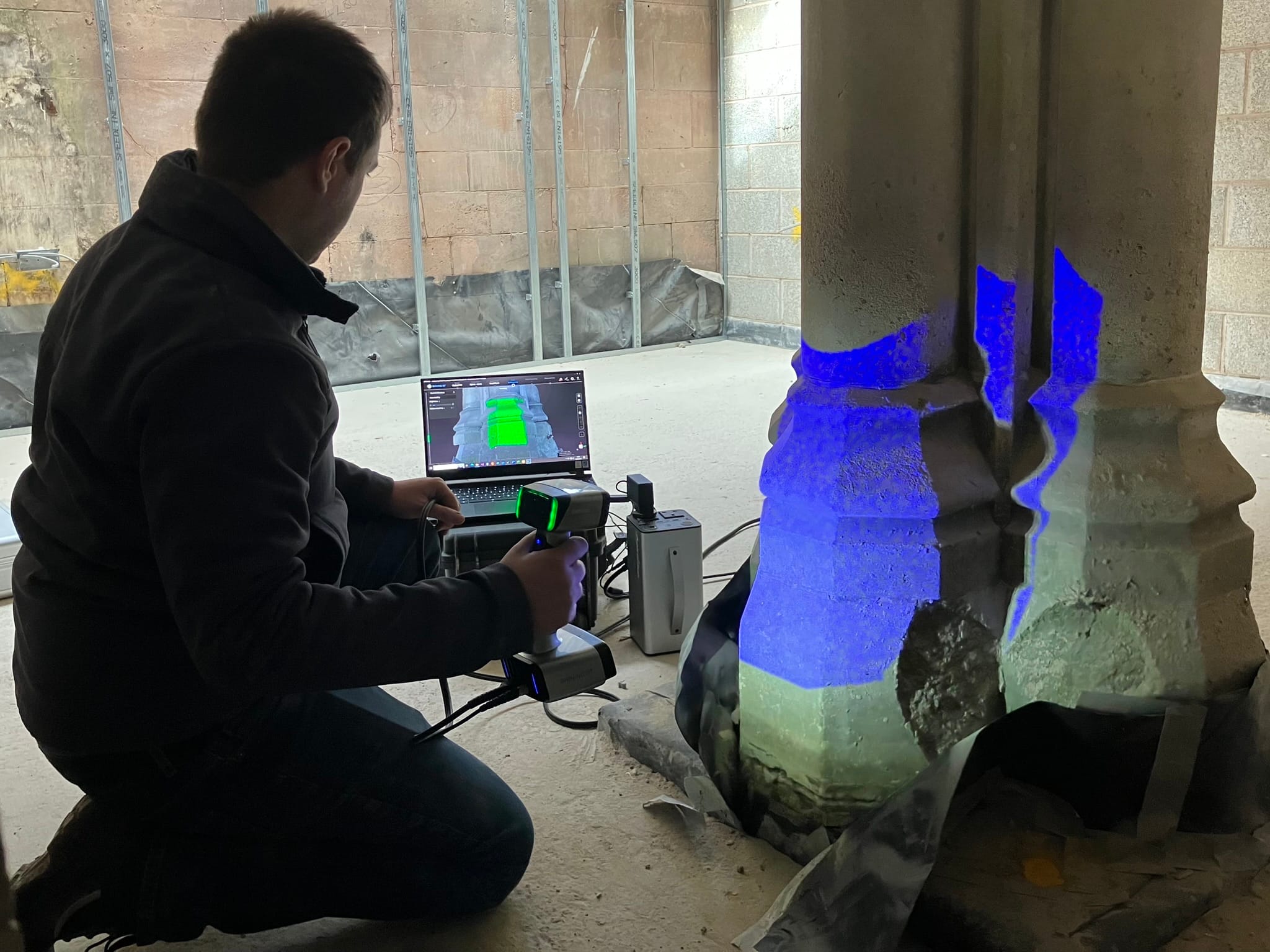
Our team used our 3D scanning service to capture precise measurements of the window designs. By scanning each window, we obtained accurate 3D data which could be used to create the required templates that matched and contoured stonework perfectly. The data was then exported as 2D DXF files, which were used for laser cutting the acrylic infill panels to exact size and shape.
The Result
Through meticulous scanning and CAD modelling, we successfully replicated the contour of the original windows enabling the acrylic infill panel to be cut perfectly. The panels seamlessly integrated with the modern aluminium windows and existing stonework, maintaining the authenticity of St Alban’s while providing modern functionality for residential use. The developer was pleased with the snug fit of the infill panels and the beautiful restoration of the windows.
The Conclusion
The restoration of St Alban’s windows demonstrates the practical application of 3D scanning technology in heritage conservation. By accurately capturing the unique shapes of the original windows, we facilitated the seamless integration of modern materials while preserving the architectural character of the Grade II listed building. This project underscores our commitment to delivering precision-driven solutions tailored to the specific needs of heritage restoration projects.

